
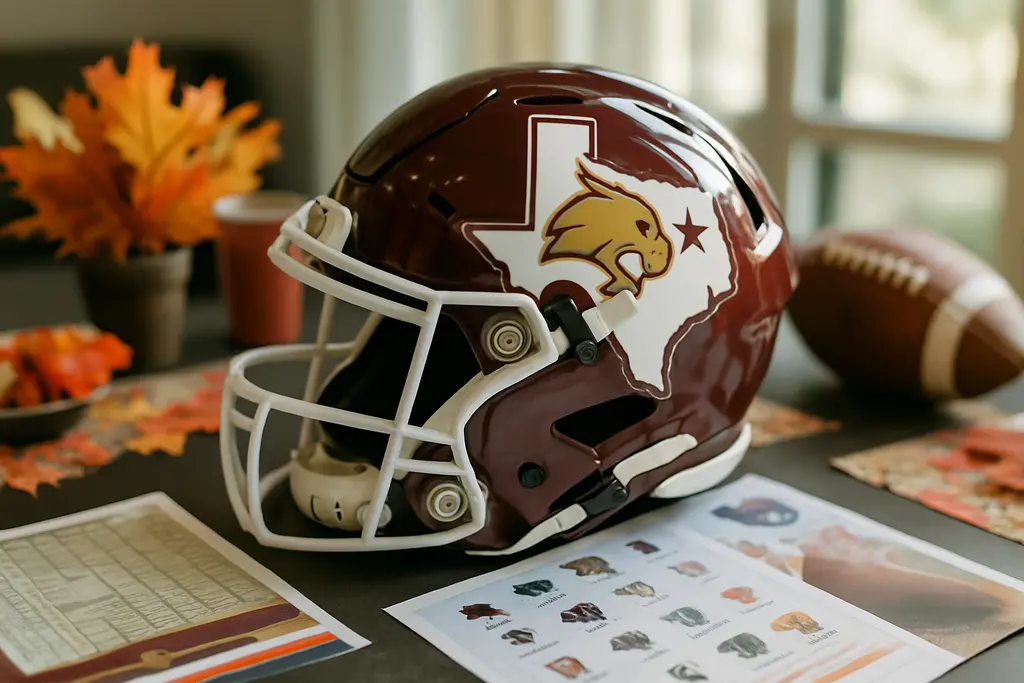

Texas State logistics have become part of the competitive story in San Marcos as the Bobcats move through a themed 2026 home schedule at UFCU Stadium. As of October 6, 2026, the UTSA home opener on September 12 has already passed, while Colorado State on October 15, Utah State on October 24, Fresno State on November 14 and Washington State on November 21 remain on the football calendar. For coaches and players, those dates are not just crowd themes. They shape arrival windows, warmup timing, student attendance patterns, concessions flow and the type of energy the home sideline has to manage.
Texas State Logistics Start With Theme Timing
Texas State Athletics announced the 2026 football game themes and promotions on March 25, setting a seven-game UFCU Stadium home plan before the season began. That early release mattered because themed dates create different demands from a normal Saturday. A rivalry crowd, a family weekend crowd and a Senior Day crowd do not move through a stadium in the same way.
The first three home football themes have already passed as of October 6. Texas State hosted UTSA on September 12 for the I-35 Showdown with a White Out, then North Texas for Faculty & Staff Appreciation Day, and Incarnate Word on September 26 for Family Weekend. The remaining home dates carry their own operational profile:
- October 15 vs. Colorado State: Bobcats Blackout.
- October 24 vs. Utah State: Homecoming.
- November 14 vs. Fresno State: Heroes Day / Community Day.
- November 21 vs. Washington State: Senior Day / ’T’ Association Weekend.
Texas State Logistics For October Home Themes
Texas State logistics become especially visible in October because the Colorado State and Utah State games come close together on the calendar. The Bobcats host Colorado State on October 15, then return to UFCU Stadium for Homecoming against Utah State on October 24. That creates a short window for stadium crews, ticketing staff, student groups and athletics communications to reset the building from a color-driven theme into one of the largest alumni weekends on campus.
From a team-strategy angle, that rhythm matters. Coaches want consistent pregame timing, clean locker-room access and predictable warmup space no matter what is happening outside the lines. The best game-day operations protect the football routine while still giving the crowd a distinct theme. That balance is where local planning and player performance meet.
What Changed After The UTSA Opener
The September 12 UTSA game served as the first major home test. Director of Athletics Don Coryell’s guidance ahead of that date included early arrival, gates opening at 1:00 p.m. for a 2:30 p.m. kickoff, rideshare and shuttle direction, a clear bag policy, cashless payments, hydration planning and cooling misters. Because that game has already happened, the lesson now is not about attending that opener. It is about what those procedures signal for the remaining themed games.
High-attendance theme dates create pressure points before kickoff. Parking lots fill faster. Student tailgate areas draw earlier traffic. Families may need more time at gates. If Texas State can keep those pieces organized, the football staff gets a cleaner runway into kickoff and the crowd can build without creating avoidable friction.
Bobcat Game Day Adds A Student Media Layer
Bobcat Game Day launched on September 12, 2026, before the UTSA home opener and is scheduled to return before each home football game through the 2026 season. The live pregame show is produced by students and staff at Boko’s Backyard, with student roles including hosting, editing, feature production and live broadcasting, according to Texas State University Stories.
That is more than a media project. It changes how fans gather. Instead of treating pregame as scattered tailgating, Texas State has a central programming point that can pull students, alumni and families toward one shared space before they move into UFCU Stadium.
Boko’s Backyard Becomes A Production Hub
Boko’s Backyard now carries two jobs at once. It remains a student tailgate location, but it also serves as the set for a live show. That creates a different kind of pregame traffic. Students involved in production need space and time. Fans drawn by the show need sightlines and access. Athletics staff have to keep movement open so the area does not become a bottleneck before gates and concourses get busy.
For a local sports community, this is a smart use of campus talent. Students are not only watching Texas State football; they are helping present it. That gives the game-day product a San Marcos identity instead of copying a national template.
Why Pregame Content Affects Fan Flow
Pregame programming can help spread arrivals across a longer window. If fans have a reason to show up early, fewer people arrive at the same gate right before kickoff. That matters on theme dates, especially Homecoming on October 24 and Senior Day on November 21, when ceremony timing and crowd emotion can both run high.
Texas State logistics in this area should be judged by whether the show supports the football schedule rather than distracting from it. A strong pregame environment gives the players energy as they take the field, but the operational win is keeping the team routine stable while the crowd builds outside.
Concessions And Nutrition Tie Into Performance
Texas State’s partnership with Aramark, announced on August 20, 2026, added another layer to the game-day plan. The arrangement includes upgraded concessions, expanded food and beverage options, refreshed concession stands and Scan-and-Go locations aimed at reducing wait times. The number of concession and hospitality venues across athletic facilities is set to increase from about 50 to more than 120.
For supporters, that changes the fan experience. For the athletic department, it changes crowd movement. More service points can reduce long lines in certain concourse areas, but only if staffing, signage and payment systems keep up with the added footprint.
Aramark Changes The Stadium Rhythm
Theme dates often bring casual fans who may not know the stadium as well as season-ticket regulars. That makes concessions placement and cashless payment communication more significant. A family attending the September 26 UIW game likely approached the day differently than a student-heavy blackout crowd will on October 15.
The Scan-and-Go element is especially relevant because it can shift some purchases away from traditional lines. That does not solve every crowd issue, but it gives operations staff one more tool during halftime and late-arriving windows.
Player Fueling Sits Behind The Matchday Product
The same partnership includes the Eat to Excel™ performance nutrition program, with custom meals, fueling stations, nutrition education and access to a sports dietitian. That piece is not as visible as fireworks or giveaways, but it connects directly to player development.
Depth charts are built during practice weeks, yet game-day nutrition can help preserve performance for players asked to handle special teams, tempo offense or late-game defensive series. Texas State has not released position-specific nutrition plans in the provided materials, so the safest read is broad: better fueling support gives the staff another resource for preparing athletes across football and other programs.
Safety Policies Matter More On Theme Dates
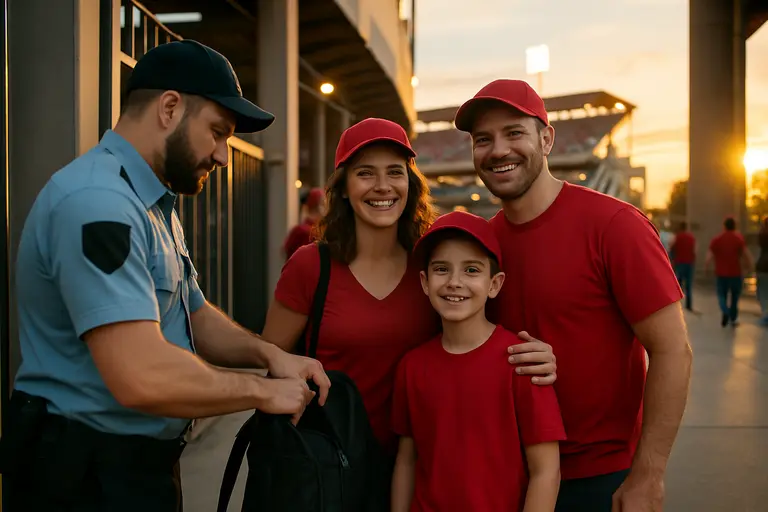
Themed games rely on energy, but energy has to be managed. Texas State’s 2026 procedures include a clear bag policy, increased EMS staffing and no tolerance for dangerous behavior such as throwing objects. Those rules are part of the structure that lets the university invite larger, louder crowds without losing control of the environment.
The Game Day Experience Task Force has also pushed to make Saturdays “bigger, louder, and more memorable,” with Boko’s Backyard, bigger fireworks, enhanced in-game graphics and entertainment tied to Texas State’s move into the Pac-12, according to the Office of the President.
Clear Bags, Cashless Sales And Heat Planning
Clear bags and cashless sales are not glamour items, but they are central to predictable entry and concourse flow. The September 12 plan also included hydration measures, with 35,000 bottles prepared and 10 cooling misters on the concourse. Those details showed how Texas State prepared for heat and crowd volume during a major rivalry setting.
As the schedule moves deeper into October and November, weather may not carry the same profile as early September, but crowd density still matters. Homecoming and Senior Day can bring different arrival patterns, including more alumni and families. Clear communication before those dates can reduce confusion at the gate.
Community Events Require Clear Movement
Heroes Day / Community Day on November 14 against Fresno State has a different tone from Bobcats Blackout or Homecoming. Community-focused dates often include guests who may not attend every week. That places extra value on simple parking direction, visible gate information and staff who can answer basic stadium questions.
For more on how the broader promotion plan fits San Marcos fan culture, our recent piece on Texas State promotions connects football theme days with the athletic department’s larger community push.
Why Texas State Logistics Shape Themed Matchdays
Texas State logistics now sit close to the heart of the Bobcats’ home-field strategy. The move into the Pac-12 has raised the profile of football Saturdays, but the local test is more practical: can the university move people, feed people, protect people and still give the team a steady competitive environment?
The answer will show up across the final four home football dates of 2026. Colorado State on October 15 will test the blackout concept. Utah State on October 24 will test Homecoming traffic and alumni flow. Fresno State on November 14 will test community-event planning. Washington State on November 21 will bring Senior Day emotion and ’T’ Association Weekend activity into the final home setting.
Women’s soccer also showed that themed planning extends beyond football. Texas State released a 10-match home promotional schedule on August 10, with eight special themes and giveaways. The August 16 UTRGV Season Opener/Camper Reunion, August 19 Texas A&M Maroon Madness date and September 20 Santa Clara Hispanic Heritage Game have already passed as of October 6. Those events still matter as evidence that the department is treating promotions as a multi-sport habit rather than a one-sport experiment.
For the athletes, the goal is consistency. For fans, the goal is clarity and connection. For San Marcos, the payoff is a game-day model that feels local while meeting the standards of a larger conference stage. The themed calendar gives Texas State a chance to prove that operations, atmosphere and team preparation can work together instead of competing for attention.