
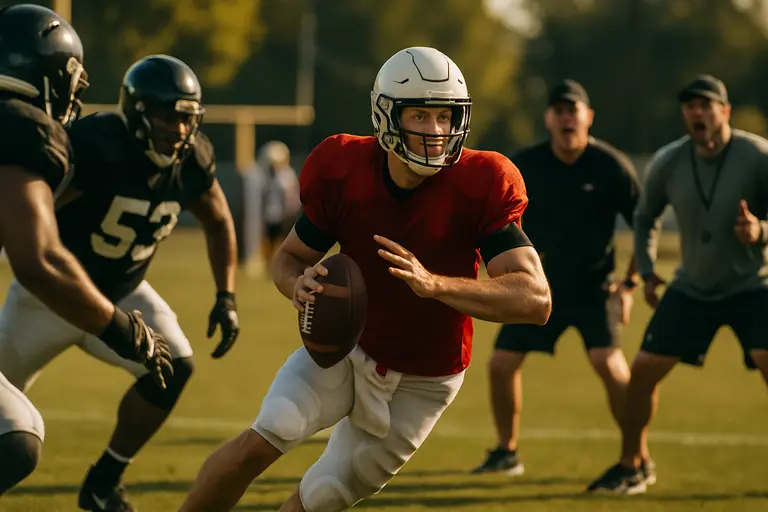

Texas State heads into its September 19, 2026, home game against North Texas with work to do before its first Pac-12 conference matchup. A 59–7 opening loss at Texas and a 31–26 defeat against UTSA have left the Bobcats at 0–2. The immediate task is correcting those results; the larger test is preparing for a conference schedule that begins October 3 at San Diego State.
For readers following Texas State football, the distinction matters. September provides evidence about the team’s strengths and weaknesses, but it does not settle the conference race. The remaining schedule presents separate challenges: consecutive home opportunities, late-night road games, a Thursday appearance in San Marcos, and a November finale whose opponent remains provisional.
September’s Home Stand Needs To Produce More Than Confidence
The official Texas State schedule lists North Texas at UFCU Stadium on September 19 at 11 a.m. Central, followed by UIW on September 26 at 5 p.m. Central. Those games complete a three-game September home stand that began against UTSA.
The useful question is what Texas State can make repeatable before leaving San Marcos. One productive possession or an explosive touchdown can change a game’s direction. A dependable offense needs answers across less favorable situations, including penalties, unsuccessful first-down plays, and possessions beginning deep in its own territory.
Fans should watch whether the Bobcats create manageable third downs rather than repeatedly asking for difficult conversions. On defense, the evaluation should extend beyond occasional stops to whether the unit can finish possessions without surrendering another first down.
These are standards for reviewing the next two performances, not claims that either opponent presents an easy assignment. A win would improve the record. Cleaner execution across multiple possessions would provide stronger evidence that Texas State is preparing for the next phase of its season.
Seven Conference Games Establish A Separate Competitive Test
Texas State’s conference schedule announcement establishes a seven-game Pac-12 round robin. The Bobcats host Colorado State, Utah State, Fresno State, and Washington State, with road games against San Diego State, Boise State, and Oregon State. Each conference opponent appears once in that league schedule.
That structure creates a useful distinction between a disappointing opening record and the opportunities still available in conference play. The September results deserve scrutiny, but they should not be mistaken for losses in the Pac-12 standings.
The four home conference games give supporters specific occasions to measure progress against new league opponents. The three road games provide a different test: can the same execution hold up away from UFCU Stadium?
A sensible assessment should resist treating every win or loss as an isolated statement about the entire program. Look for repeated patterns across opponents. Protection that holds up in several games carries more weight than one clean afternoon. Defensive improvement becomes more convincing when it survives changes in offensive style and game situation.
Late Road Kickoffs Change The Fan Routine
Texas State’s published kickoff and television schedule places its San Diego State game on October 3 at 9:30 p.m. Central. The October 31 trip to Boise State starts at 9 p.m. Central, and the November 7 game at Oregon State begins at 9:30 p.m. Central. All three are assigned to The CW. Kickoff times remain subject to change.
For Texas-based viewers, these games require a different Saturday routine from an afternoon home kickoff. Watch-party organizers should confirm the channel and access arrangements before guests arrive. Traveling supporters should distinguish the stadium’s local time from the Central time used on Texas State’s schedule.
The football analysis needs similar care. A late kickoff is a scheduling condition, not an explanation for every mistake. Fans should avoid attributing a missed assignment or stalled possession to travel without evidence.
Instead, examine whether the Bobcats communicate effectively before the snap, handle changes in field position, and maintain their decision-making late in close games. Those observations say more about road performance than assuming distance alone determines the outcome.
The Thursday Home Game Is Not A Typical Short Week
Colorado State visits UFCU Stadium on Thursday, October 15, at 7 p.m. Central. Texas State’s preceding game is October 3 at San Diego State, with an open week between the two dates. That gives the Bobcats 12 calendar days between games rather than the compressed Saturday-to-Thursday turnaround often associated with weekday football.
That distinction should shape the discussion. The Thursday date changes the weekly routine, but the published schedule does not support describing this particular assignment as a five-day preparation squeeze.
For fans, the more immediate issue is attendance around work, classes, and next-day commitments. Plan arrival and departure as a weekday event rather than copying a Saturday tailgate routine.
Texas State has designated Colorado State as its Bobcats Blackout game, followed by Homecoming against Utah State on October 24. The home-game promotions give those consecutive conference home appearances distinct campus identities.
The themes provide reasons to attend; the performances will determine their competitive significance. For the Bobcats, the question is whether two different home settings can produce the same standard of preparation and execution.
The November Finale Is Still A Provisional Assignment
The November 28 regular-season finale needs more careful wording than a conventional schedule entry. The Pac-12 lists Texas State at Colorado State as the projected matchup, but its flex scheduling format allows changes based on conference interests, including College Football Playoff considerations. Final matchups may remain unconfirmed until six days before the games.
Texas State’s conference announcement identifies that extra game as a non-conference contest against a Pac-12 opponent. It should not be described as an eighth game in the league standings.
For traveling fans, the practical distinction is between a projected destination and a confirmed assignment. Before making nonrefundable arrangements, check whether the opponent and venue have been finalized.
For football analysis, separate that flex game from the seven-game conference comparison. A repeat opponent could offer another opportunity to assess adjustments, but it would not turn the regular league schedule into a double round robin.
The conference championship is scheduled for December 4 at the home venue of the highest seed. That makes the conference race a separate planning question from the November 28 road assignment.
What North Texas Can Reveal Before Conference Play
The next useful evidence will come from how Texas State responds possession by possession, not from attaching a sweeping label to its first two results.
Watch the opening offensive series for organization: clean substitutions, clear communication, and plays that leave a workable next down. Then compare that with possessions after an unsuccessful drive. Does the offense find another answer, or does it return to the same difficult situations?
Apply the same approach defensively. A third-down stop matters, but so does what happens after the opposing offense changes its approach. Look for adjustments that hold up beyond one series.
Adult fans whose pregame reading includes searches such as JustBet vs Draftkings should keep operator reviews separate from the team assessment. Neither a sportsbook comparison nor a prediction replaces evidence from the field.
Texas State does not need every question answered in a single afternoon. It needs the next two home games to show which parts of its performance are becoming dependable. That is the evidence worth carrying into October: fewer repeated mistakes, clearer responses to setbacks, and execution that has a chance to travel.