
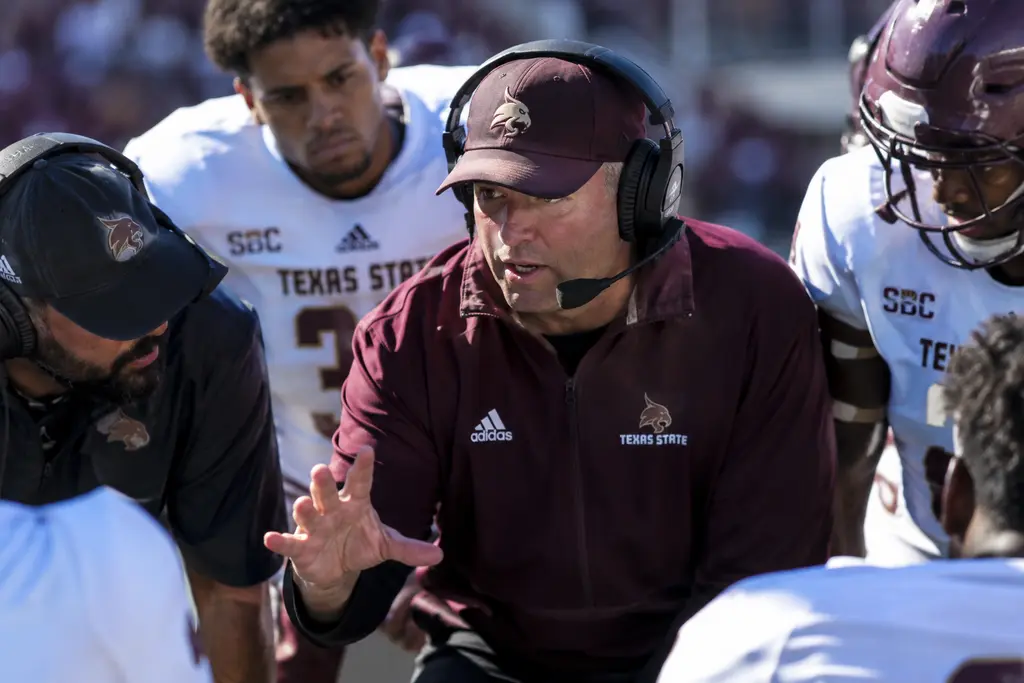

Texas State adjustments are no longer a pregame checklist for the September 5, 2026 trip to Austin. They are now the clearest way to review how the Bobcats processed a 59-7 loss to Texas, with head coach G.J. Kinne speaking afterward about accountability and the gap between preparation and Saturday execution in Kinne’s postgame remarks. For San Marcos, the score hurt. The more useful story is what it revealed about rotation, response and how a local program measures itself against one of the state’s biggest stages.
Texas State Adjustments Became A Post-Opener Story
The first point for Bobcat fans is timing. This matchup has already happened. Any discussion of game-day changes now has to be framed as a recap, not as an event preview or travel alert. The Austin opener gave Texas State a hard film study, and Kinne’s public comments made clear that the coaching staff did not want to hide from the result.
Why Texas State Adjustments Started With Accountability
Kinne’s most direct message after the game was that Texas State had to own the coaching and execution issues that showed up. That matters locally because this program has built much of its recent identity on energy, belief and fast growth. When a loss reaches 52 points, a team cannot reduce the review to one busted coverage or one failed drive.
The most valuable Texas State adjustments after that kind of opener begin with language. Coaches set the standard by naming what went wrong. Players then get a clearer route to respond in practice, whether that means cleaner alignment, more secure ball handling or sharper communication before the snap. For a San Marcos fan base that follows the roster closely, that kind of honesty carries weight. It tells the community that the staff understood the difference between a tough opponent and a missed opportunity to compete better.
Where The Rotation Conversation Changed
The opener also pushed the roster conversation beyond the usual starter list. Texas State needed to study which players handled the stage, which groups struggled under tempo and which packages gave the Bobcats a chance to steady the game. A lopsided score often leads fans to focus only on the first unit, but the deeper lesson can sit in the second and third waves of the roster.
For a team trying to keep building credibility, rotation is not just about rewarding practice effort. It is about finding dependable snaps before conference games, rivalry dates and late-season travel create new stress points. If a younger receiver earns trust, if a reserve defender communicates cleanly, or if a special teams contributor shows poise, those small wins can affect how the staff distributes work later on.
Texas Exposed The Cost Of Short Fields
Texas did not merely win because it had more talent. The Longhorns created pressure through drive control, third-down execution and field position. Those areas shaped the way the game felt inside the stadium and on the sideline. Once Texas State fell behind, each stalled drive placed more strain on the defense, and each defensive series became harder to survive.
Third Down Put Pressure On The Bobcats
Texas converted 11 of 15 third downs in the opener, a number highlighted in a Yahoo Sports review of what the Longhorns still needed to tighten after the win. For Texas State, that statistic speaks loudly. Third down is where defensive calls, tackling angles and communication all meet. When an opponent stays on schedule that often, the defense loses chances to reset the game.
That is why Texas State adjustments had to include more than emotion after the loss. The Bobcats needed to identify whether Texas won third down because of coverage leverage, pass rush timing, run fits, missed tackles or play-call stress. The answer can vary by possession, but the teaching point is the same: a defense cannot build confidence if it cannot get off the field.
Turnovers Changed The Local Reading Of The Game
The turnover story also shaped the postgame mood. When Texas State gave away possessions or failed to extend drives, the margin grew quickly. Against a top in-state opponent, those moments carry an extra sting because every mistake gets magnified by crowd noise, speed and depth across the other sideline.
For fans back in San Marcos, the takeaway is not that every future opponent will punish errors the same way Texas did. The takeaway is that ball security and possession value become central if the Bobcats want to keep games within their preferred rhythm. A single turnover can change a quarter. Repeated lost chances can change the tone of an entire road trip.
Fan Planning Lessons From The Austin Trip
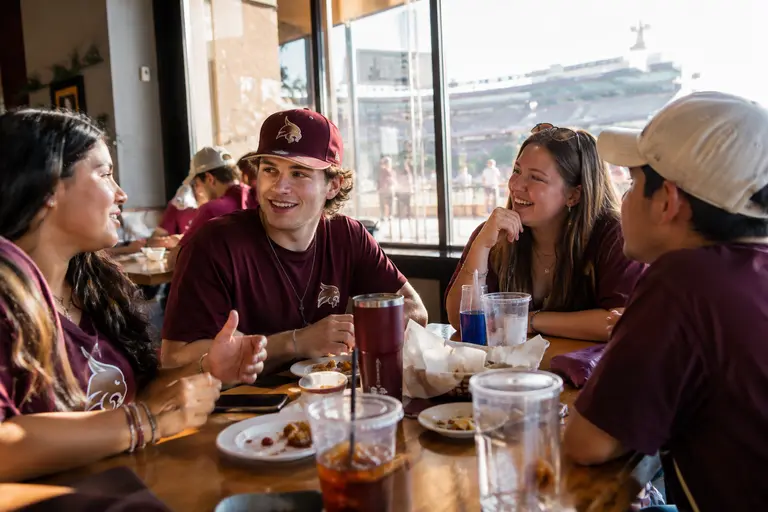
The game also offered lessons beyond the white lines. The opener was a road date with local meaning, and many Bobcat supporters treated it as a community trip up I-35. That made the day useful for families, alumni and students who will keep following Texas State through bigger venues and higher-profile matchups.
Heat And Stadium Rhythm Mattered
Reports from the game week pointed to difficult heat around the opener, and that matters for supporters as much as it does for players. Early September football in Central Texas asks fans to plan for hydration, shaded breaks, long walks and traffic windows. When a game becomes physically demanding in the stands, the fan experience changes, especially for families with children or older alumni.
The pregame planning around the Austin trip gave the Texas State community a useful base layer for future travel, and the earlier local primer on Texas State opener logistics remains a fitting reference point for how much preparation goes into a road game before kickoff ever arrives.
San Marcos Support Still Traveled
One loss does not erase the value of showing up. Texas State fans who made the trip saw a difficult afternoon, but they also helped mark the scale of what this program is trying to become. A road opener against Texas is not a normal nonconference stop. It places the Bobcats in front of a larger audience and gives the local fan base a measuring stick for travel habits, ticket planning and game-day patience.
That community piece matters because college football is not carried only by records. It is carried by families who drive together, alumni who keep returning, students who learn the rhythms of road games and local businesses that feel the rise and fall of football Saturdays. Texas State’s growth depends on those connections staying strong even after a harsh scoreline.
What Texas State Adjustments Mean For San Marcos
The most important Texas State adjustments after the Texas opener sit at the intersection of coaching, roster trust and community belief. Kinne’s group had to take a public defeat and turn it into useful work. That is not a slogan. It means correcting calls, developing depth, managing pressure and showing the next opponent that the opener did not define the season’s standard.
A Local Team News Story With Real Weight
For San Marcos, this was not just another statewide result. Texas State football carries a local identity that reaches students, alumni, high school coaches and families across the area. A loss to Texas can be painful, but it can also clarify where a program stands. The Bobcats saw the cost of third-down struggles, possession swings and road-game strain in one afternoon.
The response is what matters most now. Texas State adjustments need to show up in cleaner starts, steadier rotations and sharper situational football. Fans do not need false comfort after a 59-7 result. They need honest signs that the staff and players used the opener to get better. That is the standard this community should watch for as the Bobcats continue building their place in the state football conversation.