
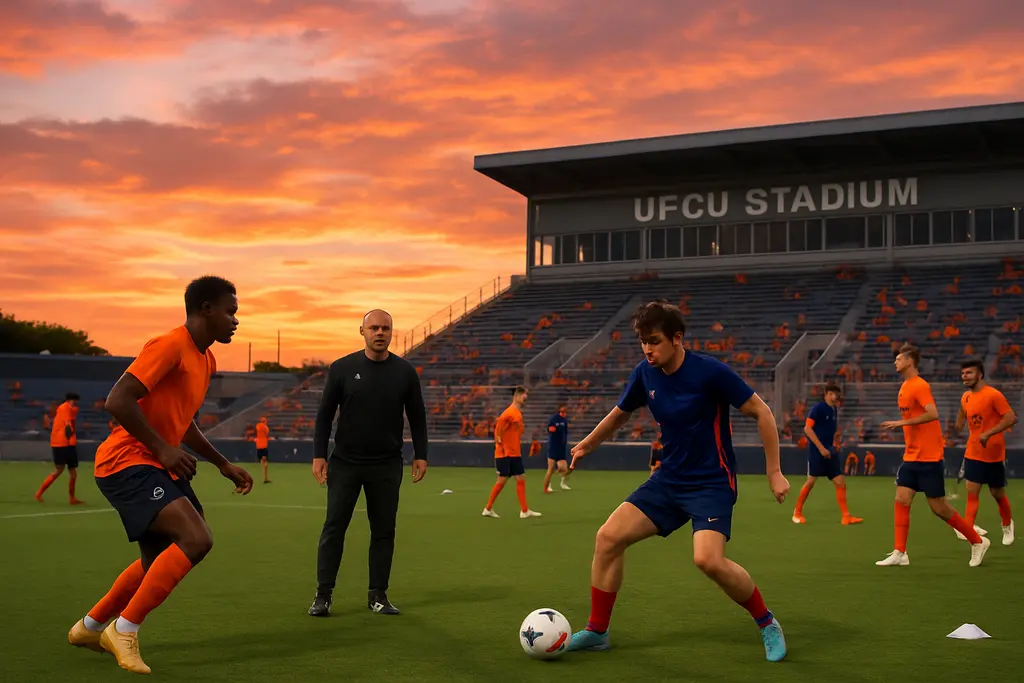
Texas State game day logistics took on a different meaning after the Bobcats officially joined the reconfigured Pac-12 as a full member on July 1, 2026. By October 15, 2026, the move was no longer a future talking point. It had become part of the weekly rhythm around UFCU Stadium, with national television windows, bigger hospitality expectations, student media production and San Marcos crowd movement all tied to how the football program presents itself in its first Pac-12 season.
For the team, the game-day setup is not just background noise. It affects arrival routines, recruiting impressions, family travel, student turnout and how the athletic department supports a program playing on a wider stage. Texas State entered 2026 with every home football game placed on national linear television, with networks including CBS Sports, USA Sports and The CW. That marked the first time in program history that all home games were placed on that type of television platform, raising the need for clean operations around kickoff, gates, concessions and pregame programming.
Why Texas State game day Changed In Pac-12 Play
The move into the Pac-12 did more than change the list of visiting teams. It changed the level of coordination required around each home date in San Marcos. Television crews, larger visiting fan groups, student turnout, premium hospitality and pregame production all have to fit into the same stadium footprint. For a local fan base used to Texas State building momentum through recent football success, the logistics now carry more public weight.
Texas State game day Timing At UFCU Stadium
One of the clearest operational details is gate timing. UFCU Stadium gates are scheduled to open 1½ hours before kickoff, which gives fans a defined window to move from tailgates, parking areas and campus gathering spots into the stadium. That timing matters more in the Pac-12 setting because the home schedule is tied to national television. A slow entry pattern does not just frustrate fans; it can affect the visual energy of the stadium when a broadcast begins.
That makes Texas State game day planning a football issue as much as a fan-service issue. The team benefits when the student section and lower bowl fill early enough to create noise before the opening series. Visiting teams see the same environment recruits see. Families and former players see whether the stadium operation matches the ambition of the conference move.
Facility Work Behind The Scenes
Texas State’s football infrastructure also entered the Pac-12 period after a major facilities push. The Johnny and Nathali Weisman Football Performance Center was part of a $42 million end-zone complex expansion that included expanded locker rooms, weight rooms, training spaces and hospitality areas. A university April 2025 project status report listed the project with construction beginning on October 3, 2023, and an estimated completion date in March 2025.
That type of project connects directly to game-day performance and roster development. Expanded training and team areas can support preparation during the week, while hospitality areas affect how the program hosts recruits, families and donors on Saturdays. For a staff competing in a new conference setting, the venue has to work for players as well as spectators.
Fan Flow Around UFCU Stadium
The most visible changes for many fans are practical: where to enter, where to eat, how long lines take and how early to arrive. Texas State’s new concessions and hospitality partner, Aramark, was announced in August 2026 for athletic venues across campus. The shift came with a major increase in concession points, with more than 120 concession locations across Texas State venues, up from about 50 in previous years. Scan-and-Go stations were also part of the plan to reduce wait times.
Concessions And Waiting Time
Concession growth is not a cosmetic change. At a stadium with Pac-12 exposure, long lines can pull students and season-ticket holders away from the game for entire drives. More points of sale give the athletic department a better chance to keep fans in their seats during key moments while still serving families, alumni and visiting supporters.
The Scan-and-Go element is especially relevant for high-traffic windows before kickoff and at halftime. If it works as intended, fans can spend less time standing in crowded concourses and more time around the field atmosphere. That helps the home environment and supports the local vendors and staffing groups tied to football Saturdays.
Student Tailgate Energy Near The Stadium
Boko’s Backyard became another piece of the pregame plan in 2026. The student tailgate destination was placed on campus recreation fields about half a mile from UFCU Stadium and was scheduled to open six hours before kickoff for most games. The setup included food trucks, live entertainment, kids’ activities and picnic tables, giving students and families a more defined gathering area before moving toward the stadium.
For San Marcos, that matters. A student-first tailgate zone keeps more pregame activity on campus rather than scattering it across separate lots and off-campus locations. It also gives younger fans and families a clearer place to meet, which can help build a steadier routine from week to week. For more context on how the opening month framed the football side of the move, our breakdown of Texas State football’s first Pac-12 September connects the schedule pressure to the local setting.
- UFCU Stadium gates are scheduled to open 1½ hours before kickoff.
- Boko’s Backyard was scheduled to open six hours before kickoff for most games.
- Texas State expanded concession access across athletic venues in 2026.
- Every 2026 Texas State home football game was placed on national linear television.
Student Media Added A Local Game-Day Voice
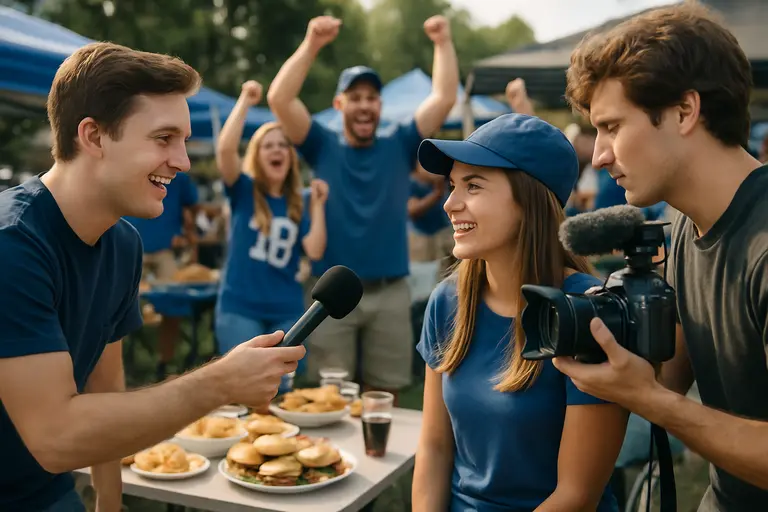
The launch of Bobcat Game Day gave the pregame routine a local media layer. Texas State introduced the live pregame show in 2026, with its first airing on September 12, 2026. The show was produced by students and faculty at Boko’s Backyard, giving students hands-on experience in sports media production, according to a Texas State University story.
Why The Broadcast Project Fits The Pac-12 Moment
That student production matters because Texas State is trying to grow more than attendance. The university is also building a sports-media identity around the football program. A live pregame show gives students experience with cameras, timing, interviews, production decisions and the pace of a football Saturday. Those are real career skills tied directly to the team’s move into a larger conference platform.
It also gives fans another way to recognize the people behind the program. While national broadcasts focus on the game, Bobcat Game Day can put student energy, campus scenes and local voices closer to the center. That type of programming makes Texas State game day feel less like a borrowed Pac-12 template and more like a San Marcos event with its own habits.
What Texas State game day Means For San Marcos
The best version of Texas State game day is not limited to a full stadium or a clean television shot. It is a coordinated local sports operation. Fans need predictable entry points. Students need a reason to gather early. The team needs facilities that support preparation and recruiting. The athletic department needs concessions, hospitality and media production to keep pace with the visibility that comes with Pac-12 membership.
That is why the logistics deserve attention. They reveal how Texas State is trying to match conference ambition with daily execution. The Bobcats’ football results will always drive the main conversation, but the surrounding operation shapes how those games feel for recruits, families, students, alumni and the San Marcos community.
For Texas State game day to keep gaining traction through the 2026 Pac-12 schedule, the key is consistency. Gates opening on time, concession lines moving, student programming staying active and campus gathering spaces feeling connected to UFCU Stadium all matter. The football field is still the center of the story, but the path to that field now says plenty about where Texas State athletics is trying to go.