
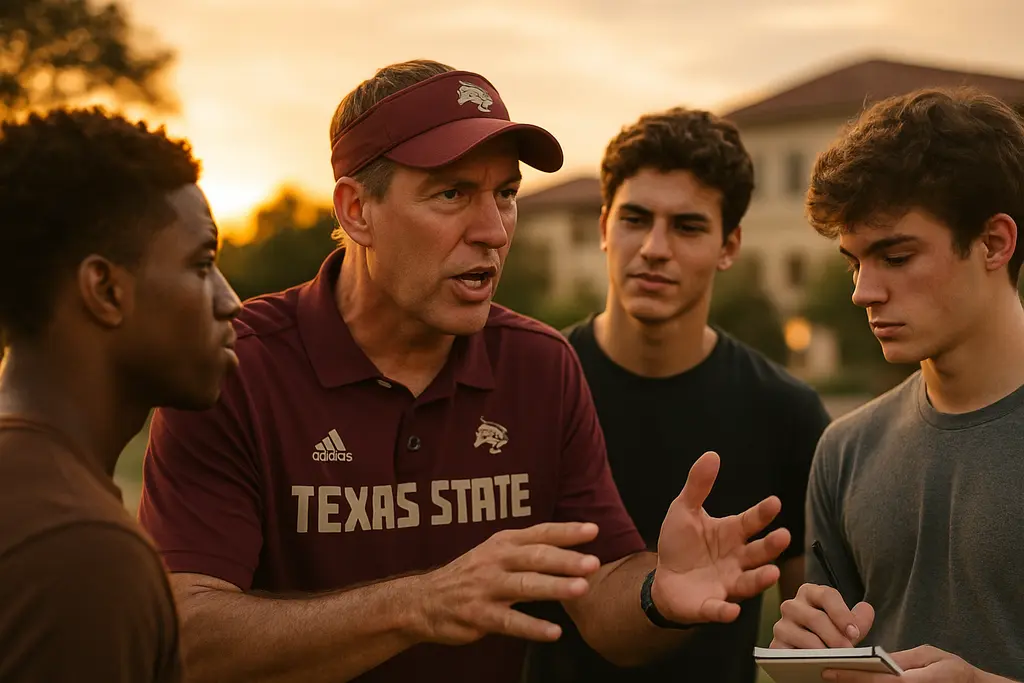

Texas State recruiting has plenty of verified momentum around conference realignment, roster stability, NIL support and student-athlete development. What it does not have, as of October 18, 2026, is a confirmed public link between the Bobcats’ recruiting strategy and the NCAA’s expanded collaboration with Team IMPACT. That distinction matters for San Marcos because community impact can shape a program’s identity, but recruiting claims still need to be grounded in what Texas State has actually announced.
Texas State Recruiting And The Team IMPACT Question
What Texas State Recruiting Can And Cannot Claim
The national NCAA-Team IMPACT collaboration created a wider conversation around college athletes, service, emotional growth and team culture. According to the research record for this update, the NCAA announced an expanded collaboration with Team IMPACT on August 13, 2025. Team IMPACT matches children facing serious illnesses or disabilities with college sports teams, giving those children a team connection while giving student-athletes a structured community-service relationship.
The same research data states that during the 2025-26 academic year, 409 NCAA member schools had active Team IMPACT matches. It also states that active matches included 524 in Division I, 161 in Division II and 237 in Division III. More than 23,000 student-athletes participated during that academic year, and 30 schools received their first Team IMPACT match after the collaboration launch. Since Team IMPACT was founded in 2011, the research record states there have been more than 4,000 child-team matches.
Those numbers show why college programs may see value in the model. A program can point to student-athlete growth, leadership, empathy and community presence without turning the relationship into a recruiting slogan. The research also states that 83% of student-athletes involved in Team IMPACT reported improved mental health as a result of the program.
For Texas State, the limiting factor is verification. No credible source reviewed for this update confirmed that Texas State had officially joined Team IMPACT or changed recruiting materials because of the NCAA-Team IMPACT collaboration. No public release, athletics memo or official statement reviewed for this update tied the Bobcats’ recruiting pitch directly to Team IMPACT.
Why The Distinction Matters Locally
San Marcos follows recruiting closely because roster building is now tied to the Bobcats’ move into a larger conference setting. Community programs can help define a department’s culture, but they should not be described as part of a Texas State plan unless the school has said so. In this case, the safest reading is narrow: Team IMPACT is a national NCAA development worth tracking, while Texas State’s verified recruiting direction comes from its Pac-12 move, athletics priorities, NIL support and student-athlete services.
That does not make the Team IMPACT topic irrelevant. It gives Texas State supporters a clear question to ask: if the Bobcats pursue or announce a Team IMPACT match in the future, how would that fit with the department’s existing goals for leadership, wellness and player development? Until that announcement exists, the program’s public recruiting story should stay tied to confirmed material.
Verified Texas State Priorities Shape The Pitch
Pac-12 Visibility Is The Confirmed Recruiting Driver
Texas State officially joined the Pac-12 Conference on July 1, 2026, after moving from the Sun Belt. In the 2026 State of TXST address, university leadership described the move as a way to “expand our national footprint, strengthen recruiting, and elevate our brand on a much larger stage” State of TXST address. That is the clearest verified statement connecting conference realignment to recruiting.
For prospects, that type of institutional message matters. Texas State is not selling the same schedule, exposure or conference identity it had before July 1, 2026. The Bobcats can now frame San Marcos as a Pac-12 home base inside one of the country’s deepest high school football states. That gives the staff a different conversation with Texas prospects, transfers and families who want a blend of regional connection and broader visibility.
Texas State recruiting also benefits from a clearer school-wide investment message. The same address highlighted NIL agreements as part of roster stability and noted philanthropic support behind major facility investments. Those details are not abstract for recruits. NIL infrastructure, facilities and roster retention all affect how families compare programs during visits.
That is why the Team IMPACT question should sit beside, not ahead of, the confirmed recruiting pitch. Texas State can speak with certainty about Pac-12 membership, national reach, NIL support and investment. It cannot publicly frame Team IMPACT as a Bobcats recruiting tool unless the school confirms that connection.
Development Goals Already Fit The Community Conversation
The 2023-29 Texas State athletics plan gives another verified foundation. The plan lists priorities such as maintaining high team GPAs and APR scores, strengthening academic incentives for recruiting, enhancing student-athlete NIL opportunities, increasing mental health and well-being services, and expanding leadership and career development opportunities athletics priorities plan.
Those priorities align with the kind of student-athlete experience that Team IMPACT promotes nationally, even though no direct Texas State tie has been confirmed. The overlap is conceptual, not official. That difference should guide how local supporters talk about it.
- Verified for Texas State: Pac-12 entry on July 1, 2026, with recruiting named as a benefit by university leadership.
- Verified for Texas State: athletics priorities tied to academics, NIL, well-being, leadership and career development.
- Not verified for Texas State: a public Team IMPACT match or a recruiting strategy built around the NCAA-Team IMPACT collaboration.
That distinction still leaves room for analysis. A program that invests in mental health services, leadership development and career preparation can present a broader athlete-care model. If Texas State later announces a Team IMPACT relationship, it would fit naturally within that athlete-development frame. For now, the record supports discussion of shared values, not a confirmed program link.
How Recruiters Can Use Community Without Overstating It
Culture Sells Best When It Is Specific
Recruiting is not only about depth charts. Prospects listen for proof that a program can help them grow as athletes, students and people. Texas State’s best verified argument is that the department has identified academic performance, well-being, NIL, leadership and career pathways as priorities. That gives coaches a real framework when families ask about life beyond game day.
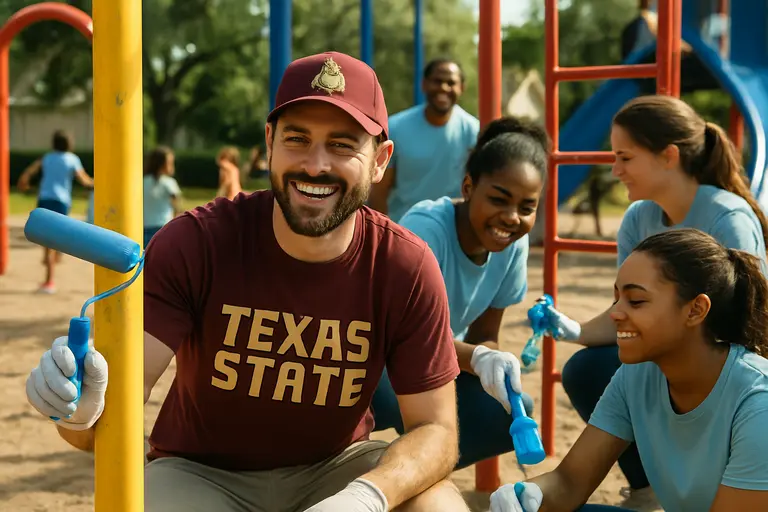
Community engagement can support that framework, but only when it is described accurately. Coaches can talk about San Marcos, campus support, leadership training and the department’s stated wellness priorities. They should not imply a Team IMPACT partnership unless Texas State announces one. That line protects the university, the coaching staff and the recruits who rely on clear information when making decisions.
This is where local identity can still work in Texas State’s favor. San Marcos is not a detached recruiting stop; it is the community that players live in, study in and represent. Prospects who choose the Bobcats are joining a program whose conference profile has changed while its local roots remain central to the pitch.
Roster Stability Remains The Practical Recruiting Test
The most immediate recruiting question for the Bobcats is whether stronger visibility turns into stronger roster retention. The 2026 State of TXST address connected NIL agreements to roster stability, and that matters in the transfer era. Families want to know whether a program has a plan to keep key contributors, support development and avoid constant turnover.
That is why the local recruiting conversation should stay focused on confirmed pillars. Pac-12 membership gives Texas State more reach. NIL support helps keep the roster together. Facilities investment gives coaches more to show during visits. Academic and well-being priorities help answer family questions that go beyond playing time.
For readers tracking how the Bobcats’ conference move is affecting the broader roster plan, our recent breakdown of Pac-12 recruiting reach connects that visibility shift to the staff’s San Marcos pitch.
What The Team IMPACT Gap Means In San Marcos
A Clearer Standard For Bobcats Recruiting Coverage
Texas State recruiting sits at a point where local excitement and verification have to work together. The Pac-12 move has given the Bobcats a larger stage, and the university has publicly tied that move to recruiting strength. The athletics plan has also put student-athlete success, wellness, NIL and leadership in writing. Those are strong, usable recruiting facts.
The NCAA-Team IMPACT collaboration belongs in the conversation because it reflects a wider college sports push toward connection beyond competition. The program’s national reach during the 2025-26 academic year shows that many NCAA teams have embraced that kind of relationship. But the absence of a confirmed Texas State connection means the Bobcats should not be credited with a Team IMPACT-based recruiting strategy.
For San Marcos, that is not a setback. It is a reminder that the strongest recruiting story is the one Texas State can prove. The Bobcats can sell Pac-12 visibility, local Texas ties, institutional investment, NIL stability and a student-athlete development plan. If Team IMPACT becomes part of Texas State athletics later, it should be covered as a verified addition to that foundation, not as something assumed before the school says it happened.
That standard serves recruits, families and fans. It keeps attention on the program’s real progress while leaving space for future community partnerships to be evaluated on the record. In a bigger conference era, Texas State does not need inflated claims. It needs clear messaging, stable rosters and a recruiting identity that matches what the university has already put in public view.